
Mahdi Farnaghi

The accurate prediction of crop yields is a critical element in ensuring global food security, managing agricultural markets and supporting the decision-making processes of farmers and

In the realm of artificial intelligence (AI), the advancement of large language models (LLM) like GPT-4, the base model of ChatGPT, has revolutionized natural language processing.

Objective
To develop a deep learning model to estimate the timing of phenological events over large area

To develop a model to estimate the timing of phenological events over large areas from time series of earth observation data using vision transformers, a fierce alternative to tra

The Antarctic ice sheet covers almost the whole area of the Antarctic continent. It is the largest ice mass on Earth, with an average ice thickness of about 2 kilometers [1].
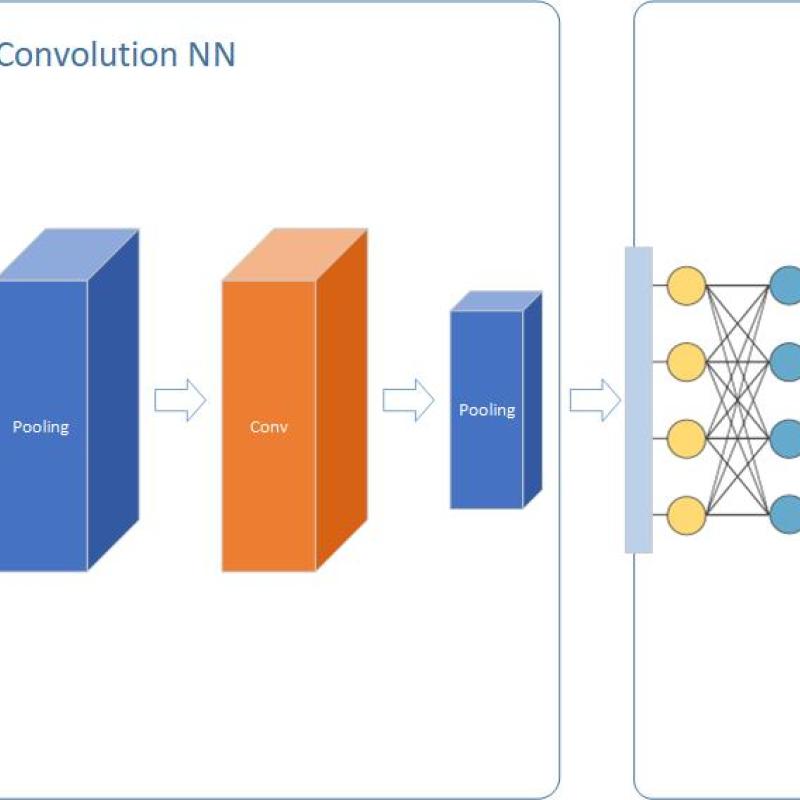
Deep Neural Networks (DNN) is considered as a panacea for different problems in several application areas. But what about spatial modeling?
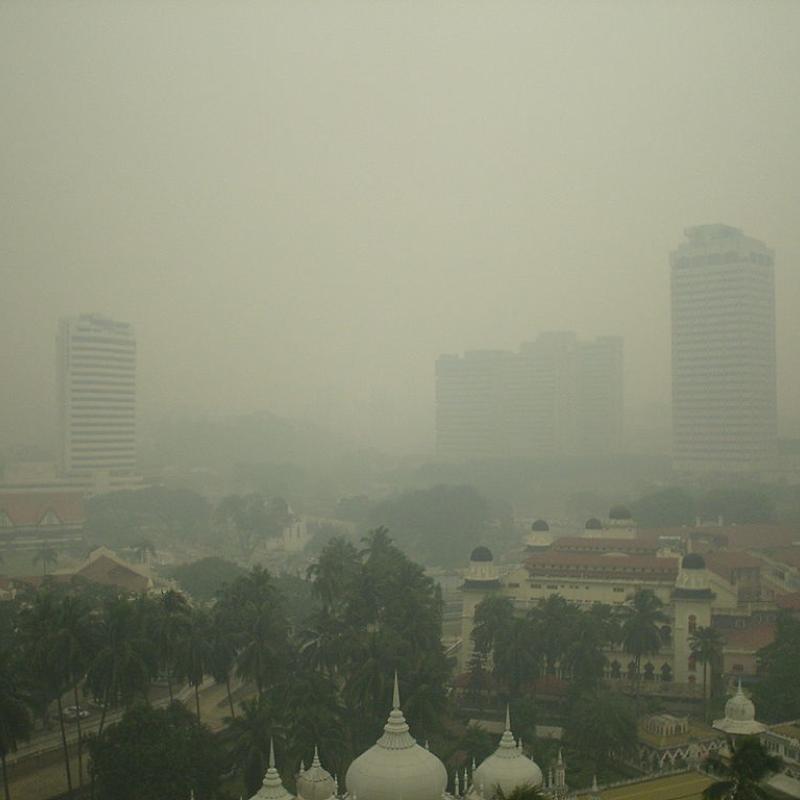
To model air pollution in urban environments while accounting for urban forms using convolutional neural networks (CNN) or Vision Transformers (ViT), open access earth observation

Digital Twins (DTs) are rapidly becoming one of the most exciting innovations in smart cities, bringing together 3D modelling, geospatial data, IoT sensors, and AI t

Generative AI and Digital Twins (DTs) are redefining how urban environments are conceptualized, designed, and managed.
